


Introduction
Starting a business can be one of the most rewarding ways to build financial independence and create long-term value. However, many aspiring entrepreneurs are unsure where to begin. Questions about business ideas, funding, registration, marketing, and legal requirements often prevent people from taking the first step.
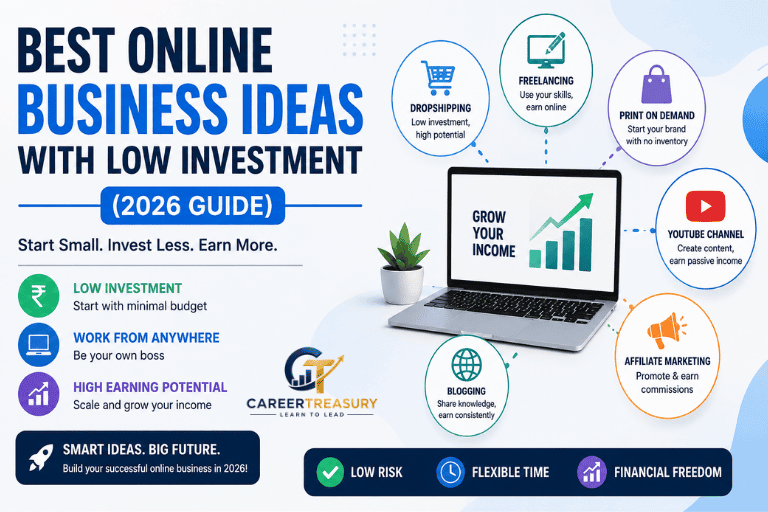
In 2026, technology, digital tools, and online platforms have made starting a business more accessible than ever. Entrepreneurs can launch businesses with lower investment, reach customers online, and use AI-powered tools to improve productivity.
This guide explains the essential steps involved in starting a business and provides practical advice for beginners.
Why Start a Business?
People start businesses for different reasons:
- Financial independence
- Flexible working hours
- Solving real-world problems
- Building long-term wealth
- Pursuing personal interests
- Creating employment opportunities
While entrepreneurship involves risks, proper planning can significantly improve the chances of success.
Business Startup Roadmap
BUSINESS IDEA
 ↓
MARKET RESEARCH
 ↓
BUSINESS PLAN
 ↓
REGISTRATION & LEGAL SETUP
 ↓
PRODUCT OR SERVICE DEVELOPMENT
 ↓
MARKETING & SALES
 ↓
CUSTOMER ACQUISITION
 ↓
BUSINESS GROWTH
Business Startup Checklist
| Step | Purpose |
|---|---|
| Business Idea | Identify opportunity |
| Market Research | Validate demand |
| Business Plan | Create strategy |
| Registration | Legal compliance |
| Funding | Secure capital |
| Marketing | Attract customers |
| Sales | Generate revenue |
| Growth | Scale operations |
Step 1: Choose the Right Business Idea
A successful business often begins with solving a problem or fulfilling a customer need.
Questions to Ask Yourself
- What skills do I have?
- What problems can I solve?
- What industries interest me?
- Is there market demand?
- Can the business generate profit?
Popular Business Categories in 2026
- Online businesses
- AI-powered services
- Digital marketing
- E-commerce
- Content creation
- Education and coaching
- Financial services
- Technology solutions
Step 2: Conduct Market Research
Before investing time and money, validate your idea.
Research Areas
- Target audience
- Competitor analysis
- Industry trends
- Customer pain points
- Pricing expectations
Market research helps entrepreneurs understand whether a business idea has real demand.
Useful Research Methods
- Surveys
- Interviews
- Google Trends
- Industry reports
- Customer feedback
Step 3: Create a Business Plan
A business plan serves as a roadmap for your business.
Essential Components
Executive Summary
Brief overview of your business.
Business Description
What products or services will you offer?
Market Analysis
Who are your customers and competitors?
Marketing Strategy
How will customers find you?
Financial Plan
Revenue projections, costs, and profit estimates.
A clear business plan can also help when seeking funding.
Step 4: Select a Business Structure
Choosing the right legal structure is important.
Common options in India include:
Sole Proprietorship
Suitable for small businesses and individual entrepreneurs.
Partnership
Business owned by two or more people.
LLP (Limited Liability Partnership)
Provides liability protection and operational flexibility.
Private Limited Company
Popular among startups seeking investment and scalability.
Consult a legal or financial professional before choosing a structure.
Step 5: Register Your Business
Business registration requirements vary depending on the structure and industry.
Common registrations may include:
- PAN
- GST registration
- UDYAM registration for MSMEs
- Trade licenses
- Professional tax registration (where applicable)
Always verify requirements through official government sources.
Step 6: Arrange Funding
Many businesses can start with minimal investment, while others require external funding.
Common Funding Sources
- Personal savings
- Friends and family
- Bank loans
- Government schemes
- Angel investors
- Venture capital
Start with a realistic budget and focus on managing cash flow effectively.
Step 7: Build Your Product or Service
Your product or service should solve a genuine customer problem.
Focus Areas
- Quality
- Customer experience
- Pricing
- Reliability
- Differentiation
Collect feedback early and make improvements continuously.
Step 8: Create an Online Presence
A strong digital presence is essential in 2026.
Key Digital Assets
- Business website
- Google Business Profile
- Social media accounts
- Email marketing system
Even local businesses benefit from online visibility.
Step 9: Develop a Marketing Strategy
Customers need to know your business exists.

Effective Marketing Channels
Search Engine Optimization (SEO)
Improve website visibility in search results.
Social Media Marketing
Build awareness and engage customers.
Content Marketing
Publish valuable content that answers customer questions.
Email Marketing
Maintain relationships with customers.
Paid Advertising
Generate traffic and leads faster.
Step 10: Focus on Customer Satisfaction
Satisfied customers often become repeat buyers and brand advocates.
Best Practices
- Respond quickly
- Deliver consistent quality
- Gather customer feedback
- Resolve complaints professionally
Customer trust is one of the most valuable business assets.
Common Mistakes New Entrepreneurs Make
Skipping Market Research
Many businesses fail because there is insufficient demand.
Poor Financial Planning
Cash flow problems are a major reason businesses struggle.
Ignoring Marketing
Even great products need visibility.
Trying to Do Everything Alone
Learning to delegate and automate can improve efficiency.
Expecting Immediate Success
Building a successful business usually takes time and persistence.
How AI Can Help New Entrepreneurs
AI tools are becoming increasingly useful for startups.
AI Applications
- Content creation
- Customer support
- Data analysis
- Marketing automation
- Business planning
- Productivity improvement
AI can help entrepreneurs save time and focus on strategic decision-making.
Key Takeaways
- Start with a problem-solving business idea.
- Conduct thorough market research.
- Create a business plan before launching.
- Choose the right legal structure.
- Build a strong online presence.
- Focus on customer satisfaction.
- Use technology and AI to improve efficiency.
- Treat business growth as a long-term process.
Frequently Asked Questions
How much money do I need to start a business?
The amount depends on the business model. Some online businesses can start with very little investment, while others require significant capital.
Can I start a business while working a job?
Yes. Many entrepreneurs begin part-time and transition to full-time after gaining traction.
What is the best business for beginners?
Businesses based on existing skills, market demand, and low startup costs are often suitable for beginners.
Do I need a website?
In most industries, a professional website helps establish credibility and attract customers.
How long does it take to become profitable?
Profitability varies depending on the industry, business model, competition, and execution.
Disclaimer
This article is for informational and educational purposes only. Legal, financial, and tax requirements vary by location and business type. Consult qualified professionals before making business decisions.
Sources & References
- Government of India Business Registration Resources
- Startup India
- MSME Development Resources
- Small Business Administration Educational Materials
- Entrepreneurship and Startup Research Reports










Leave a Reply