

Introduction
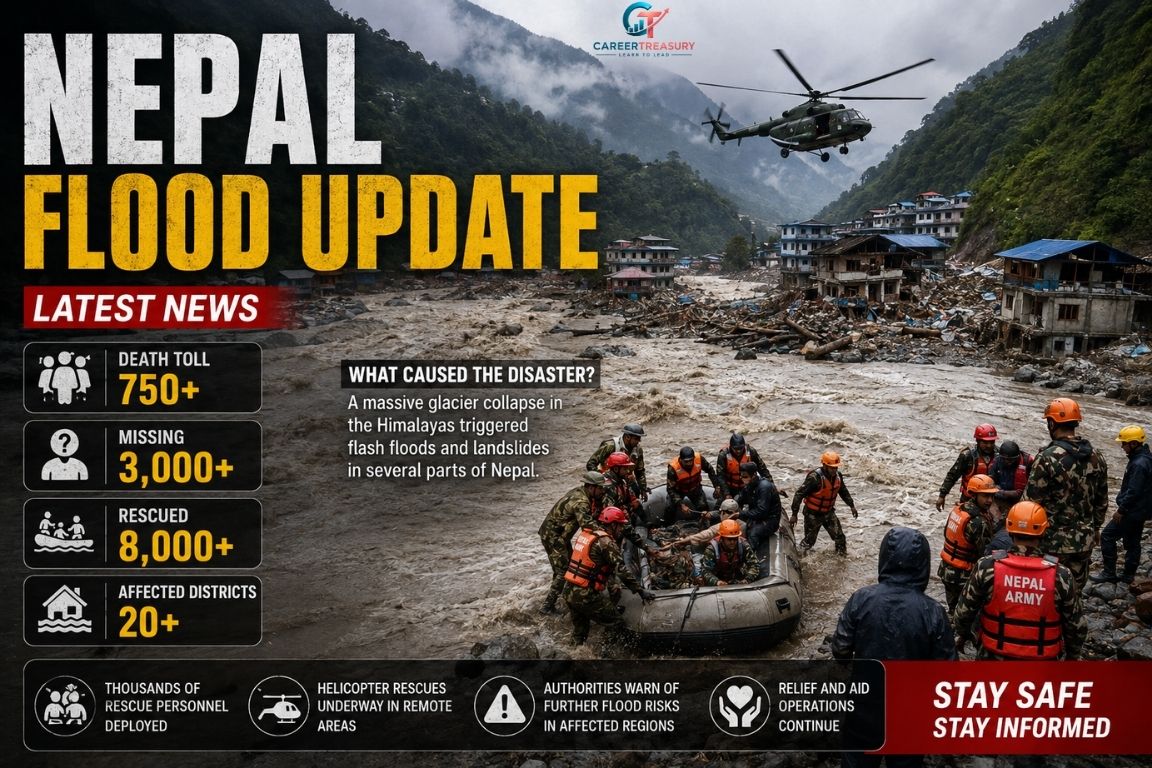
Nepal is facing one of the deadliest natural disasters in its recent history after catastrophic flash floods and landslides devastated several regions near the Nepal-China border. Triggered by a massive glacier collapse and subsequent flooding, the disaster has claimed hundreds of lives, destroyed villages, damaged infrastructure, and left thousands of people missing. Rescue teams from Nepal and China continue to search for survivors as authorities warn of additional flood risks in affected areas.
The tragedy has drawn international attention due to its scale, humanitarian impact, and growing concerns about climate change-related disasters in the Himalayan region.
What Caused the Nepal Floods?
According to preliminary assessments, the disaster began on August 26, 2026, when a glacier and ice mass collapsed in the Himalayas, triggering a massive mudslide and flash flood. Huge amounts of water, rocks, and debris rushed through mountain valleys and river systems, causing widespread destruction in Nepal and neighboring Tibet.
Experts believe rising temperatures and glacier instability may have contributed to the collapse, highlighting the growing vulnerability of Himalayan regions to climate-related disasters.
Latest Death Toll and Missing Persons
The scale of the disaster continues to grow as rescue teams reach previously inaccessible locations.
Latest Official Figures
- Combined death toll in Nepal and Tibet: approximately 750 people
- More than 3,000 people remain missing
- Nepal alone has reported over 730 deaths
- Thousands have been injured or displaced
- More than 8,000 people have been rescued so far
Authorities fear the final casualty count could increase significantly as rescue operations continue and additional bodies are recovered from remote mountainous areas.
Areas Most Affected
The worst damage has been reported in districts located along major river systems near the Nepal-China border.
Severely Impacted Regions
- Trishuli River Valley
- Bhote Koshi River Region
- Nuwakot District
- Rasuwagadhi Border Area
- Hydropower project zones
- Several mountain villages near Tibet
Entire settlements have reportedly been washed away, leaving survivors without homes, electricity, transportation, or communication facilities.
Massive Rescue Operations Underway
Thousands of rescue personnel have been deployed across the affected regions.
Rescue Teams Include
- Nepal Army
- Nepal Police
- Armed Police Force
- Chinese rescue teams
- Disaster response specialists
- Medical emergency teams
Reports indicate that nearly 20,000 security personnel are involved in rescue and relief operations. Helicopters continue to transport stranded residents and deliver emergency supplies to isolated communities.
However, difficult terrain, bad weather, landslides, and damaged roads continue to hamper rescue efforts.
Villages Destroyed and Infrastructure Damaged
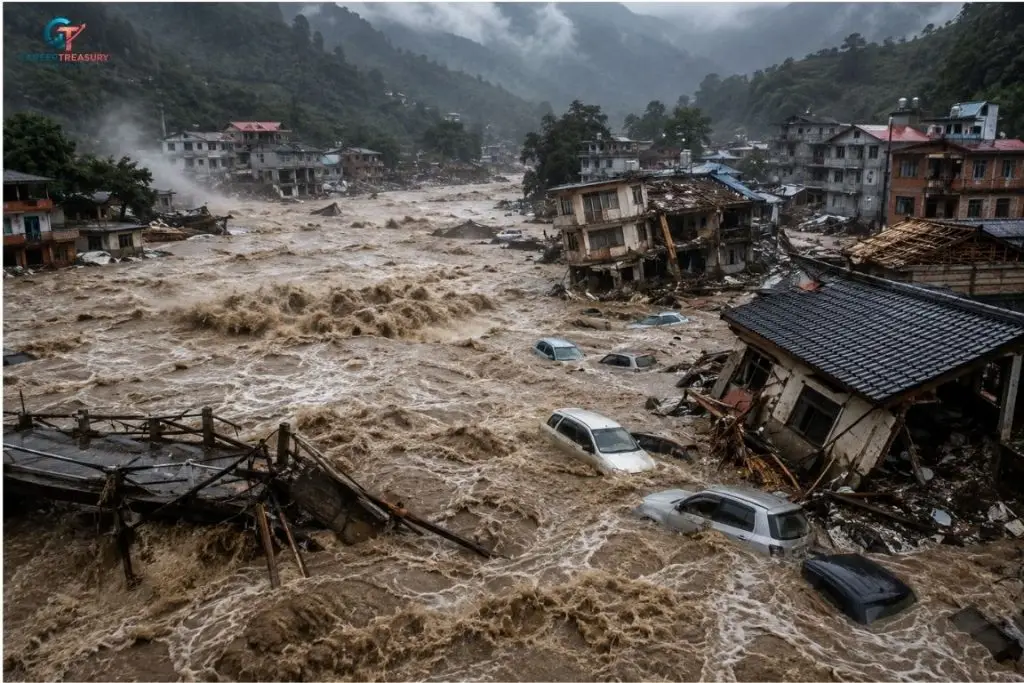
The flood has caused enormous destruction across northern Nepal.
Infrastructure Damage
- Roads washed away
- Bridges destroyed
- Hydropower facilities damaged
- Electricity networks disrupted
- Telecommunications affected
- Border trade routes blocked
Several reports indicate that dozens of bridges and major highway sections have been destroyed, making relief operations extremely challenging.
The destruction of key transportation routes has also disrupted the supply of food, fuel, and essential goods to affected regions.
Hundreds Still Trapped
One of the biggest concerns is the fate of people believed to be trapped inside damaged hydropower tunnels and remote settlements.
Major Challenges
- Deep mud deposits
- Collapsed tunnels
- Isolated mountain communities
- Continuous landslide threats
Rescue teams are focusing on locating survivors in areas where communication has been completely cut off.
International Response
Several countries and organizations have offered assistance to Nepal.
Support Includes
- Emergency relief supplies
- Medical assistance
- Search and rescue equipment
- Financial aid
- Forensic and DNA identification support
India has sent relief materials and continues coordinating efforts related to missing Indian nationals. Other countries have also pledged humanitarian assistance.
Impact on Indian Citizens
The floods have also affected numerous Indian pilgrims and travelers.
Latest Updates
- Several Indian nationals have been rescued.
- Hundreds remain unaccounted for.
- Indian authorities are working closely with Nepalese officials.
- Special teams have been deployed for identification and support operations.
Families across India continue to wait anxiously for updates regarding missing relatives.
New Flood Warnings Issued
Even as rescue operations continue, authorities have issued fresh warnings regarding rising river levels and potential additional flooding.
Ongoing Risks
- New landslides
- Overflowing mountain lakes
- Rising river water levels
- Unstable glacial regions
Residents in vulnerable districts have been advised to remain alert and follow evacuation instructions if necessary.
Climate Change Concerns
The Nepal flood disaster has renewed global discussion about climate change and glacier instability.
Scientists have repeatedly warned that Himalayan glaciers are melting faster due to rising temperatures. This increases the risk of:
- Glacial lake outburst floods
- Flash floods
- Landslides
- River surges
- Infrastructure damage
Experts say the current disaster demonstrates how vulnerable mountain communities are to extreme weather and environmental changes.
Human Stories Emerging from the Disaster
Beyond the statistics, thousands of families have suffered unimaginable losses.
Survivors have described entire villages disappearing within minutes. Hospitals in Kathmandu are overwhelmed as relatives search for missing family members. Posters of missing people now cover public spaces while rescue workers continue recovery efforts.
Stories of survival have also emerged, including elderly residents and stranded families rescued after days without communication or access to food and medical care.
Economic Impact
The floods are expected to have long-term economic consequences.
Sectors Affected
- Tourism
- Hydropower
- Transportation
- Trade
- Agriculture
Damage to roads, bridges, and border crossings has disrupted trade between Nepal and China, while tourism activities in affected mountain regions have largely come to a halt.
What Happens Next?
The immediate priority remains:
- Finding missing persons
- Rescuing trapped survivors
- Restoring transportation links
- Providing shelter and medical care
- Preventing disease outbreaks
- Rebuilding damaged infrastructure
Recovery efforts are expected to continue for months, and rebuilding affected communities could take years.
Conclusion
The Nepal Flood Disaster 2026 has become one of the most devastating natural catastrophes in the Himalayan region in recent years. With approximately 750 confirmed deaths, more than 3,000 people missing, and widespread destruction across Nepal and Tibet, the scale of the tragedy is immense.
As rescue teams continue their work and communities begin the long process of recovery, the disaster serves as a stark reminder of the growing challenges posed by extreme weather events and climate-related risks in vulnerable mountain regions.








Leave a Reply