

Introduction
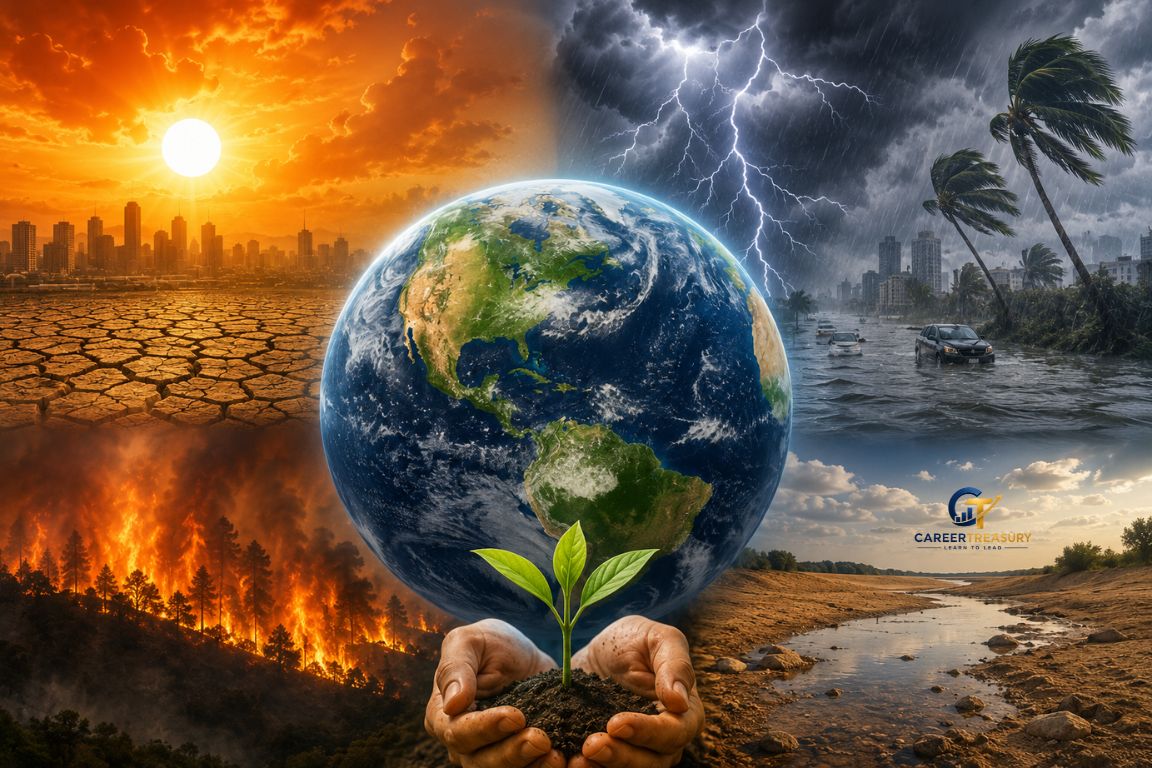
The world is experiencing another major climate challenge in 2026 as a strengthening El Niño event combines with long-term global warming. Climate scientists and meteorological agencies are warning that the current El Niño could become one of the strongest on record, increasing the likelihood of heatwaves, droughts, floods, wildfires, and disruptions to agriculture across multiple continents.
While El Niño is a naturally occurring climate phenomenon, its effects are now being amplified by rising global temperatures caused by human-driven climate change. The result is a growing concern among governments, scientists, and international organizations about the potential impacts on food systems, water resources, public health, and ecosystems.
What Is El Niño?
El Niño is a climate pattern characterized by unusually warm ocean temperatures in the central and eastern Pacific Ocean. These warmer waters alter atmospheric circulation and weather patterns around the world.
The phenomenon occurs every few years, but each event differs in strength and impact. Scientists currently expect the 2026 event to intensify further during the second half of the year, potentially becoming a very strong El Niño.
Why 2026 Is Different
Several climate agencies have reported that the current El Niño is developing alongside exceptionally warm global ocean temperatures.
According to the World Meteorological Organization (WMO), the combination of El Niño and already elevated ocean temperatures is increasing the probability of above-normal temperatures across much of the world.
NOAA’s Climate Prediction Center estimates a high probability that El Niño will continue through early 2027, with a strong likelihood of becoming one of the most significant events recorded since modern monitoring began.
Rising Global Temperatures
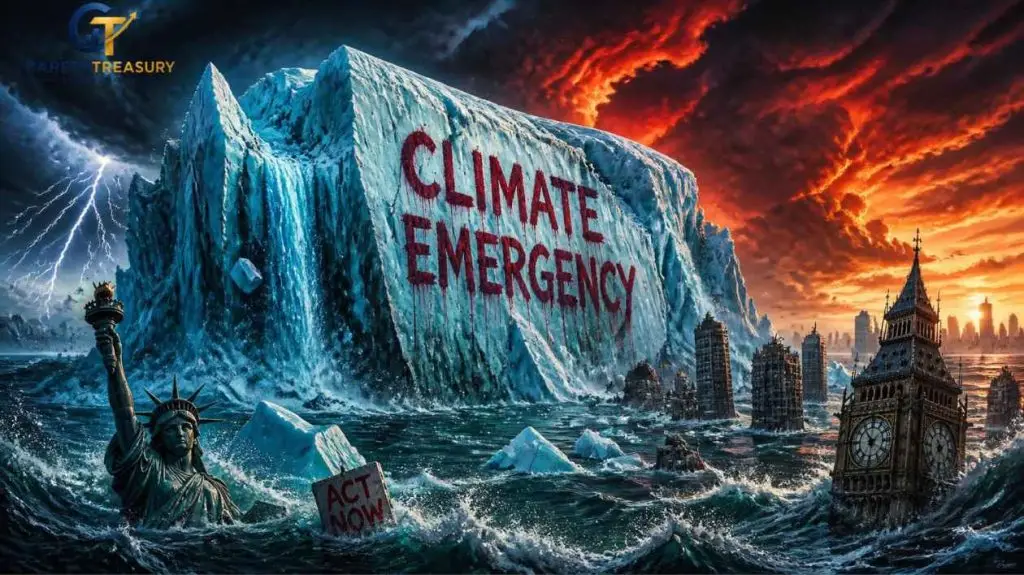
One of the most immediate impacts of El Niño is higher global temperatures.
Scientists warn that:
- Heatwaves are becoming more frequent.
- Temperature records are being broken in multiple regions.
- Ocean temperatures continue to rise.
- Heat-related health risks are increasing.
Several parts of Europe, Asia, and North America have already experienced unusually high temperatures during 2026.
Extreme Weather Events Are Increasing
Heatwaves
Many countries have experienced prolonged heatwaves during 2026.
Western Europe has faced repeated heat alerts, record temperatures, and increased wildfire risks linked to a combination of climate change and El Niño conditions.
Flooding
Some regions are expected to receive significantly above-average rainfall.
Heavy rainfall can lead to:
- Urban flooding
- Infrastructure damage
- Landslides
- Agricultural losses
WMO forecasts indicate wetter-than-normal conditions in several parts of the world during the coming months.
Drought
Other regions are likely to experience severe drought conditions.
Water shortages can affect:
- Agriculture
- Hydropower generation
- Drinking water supplies
- Transportation systems
The Indian subcontinent is among the regions facing a greater risk of below-normal rainfall during the current El Niño cycle.
Impact on Food Security
Agriculture is particularly vulnerable to climate disruptions.
El Niño can affect:
Crop Production
Changes in rainfall and temperature can reduce yields of:
- Rice
- Wheat
- Corn
- Soybeans
Livestock
Extreme heat can stress animals and reduce productivity.
Fisheries
Warmer ocean temperatures may alter fish migration patterns and marine ecosystems.
Experts warn that food supply chains could face significant pressure if extreme weather intensifies further.
Threats to the Amazon Rainforest
Climate researchers are closely monitoring conditions in the Amazon.
Reports indicate that a powerful El Niño could increase drought stress, lower river levels, and raise the risk of large-scale wildfires across the rainforest.
The Amazon plays a critical role in:
- Global biodiversity
- Carbon storage
- Climate regulation
- Regional rainfall patterns
Scientists consider its health essential for global environmental stability.
Effects on Asia
Many Asian countries are experiencing climate-related challenges linked to shifting weather patterns.
Potential impacts include:
- Stronger storms
- Flooding
- Heatwaves
- Water scarcity
Recent research suggests that El Niño conditions may contribute to stronger and longer-lasting tropical storms in parts of the Pacific region.
Economic Consequences
Climate events can have significant economic impacts.
Agriculture Losses
Crop failures can increase food prices.
Infrastructure Damage
Floods and storms may damage roads, bridges, and utilities.
Supply Chain Disruptions
Weather-related disruptions can affect trade and transportation.
Health Costs
Heat-related illnesses and climate disasters place additional pressure on healthcare systems.
Economists increasingly view climate resilience as a major factor in future economic planning.
What Governments Are Doing
Countries are investing in:
- Early warning systems
- Disaster preparedness
- Climate adaptation programs
- Water management projects
- Renewable energy initiatives
The WMO has emphasized the importance of climate forecasting and preparedness to reduce the impact of El Niño-related hazards.
What Individuals Can Do
While large-scale climate action requires government and industry involvement, individuals can also contribute by:
- Conserving water
- Reducing energy waste
- Supporting sustainable practices
- Staying informed about weather alerts
- Preparing emergency plans during extreme weather events
Climate resilience often begins at the community level.
Future Outlook
Climate scientists expect El Niño to continue influencing global weather patterns through late 2026 and potentially into early 2027.
Although precise regional impacts remain uncertain, forecasts indicate:
- Above-average global temperatures
- Shifts in rainfall patterns
- Increased risk of extreme weather events
Experts emphasize that El Niño’s effects are occurring alongside long-term climate change, making adaptation and preparedness increasingly important.
Frequently Asked Questions (FAQs)
What is El Niño?
El Niño is a climate pattern caused by unusually warm ocean temperatures in the Pacific Ocean that influence global weather systems.
Why is the 2026 El Niño important?
Scientists believe it may become one of the strongest El Niño events in recent decades and could significantly influence global temperatures and weather patterns.
Can El Niño cause droughts and floods?
Yes. Different regions experience different impacts. Some areas may receive excessive rainfall, while others face drought conditions.
How does El Niño affect food production?
Changes in rainfall, temperature, and ocean conditions can influence crop yields, livestock productivity, and fisheries.
Is climate change making El Niño worse?
Scientists continue to study the relationship, but many agree that global warming can intensify climate extremes that occur during El Niño events.
Conclusion
The 2026 El Niño event is emerging as a major climate story with global implications. From rising temperatures and extreme weather to food security concerns and ecosystem stress, its effects are being felt across continents. While El Niño is a natural climate cycle, its interaction with a warming planet highlights the growing importance of climate preparedness, resilience, and sustainable development.
Disclaimer
This article is for educational and informational purposes only. Climate forecasts and weather predictions may change as new scientific data becomes available. Readers should consult official meteorological agencies for the latest regional forecasts and warnings.







Leave a Reply