

Introduction
Football remains the world’s most popular sport, with billions of fans following domestic leagues, continental competitions, and international tournaments. At the center of global football governance stands FIFA, the organization responsible for overseeing the sport’s development, regulations, and flagship events such as the FIFA World Cup.
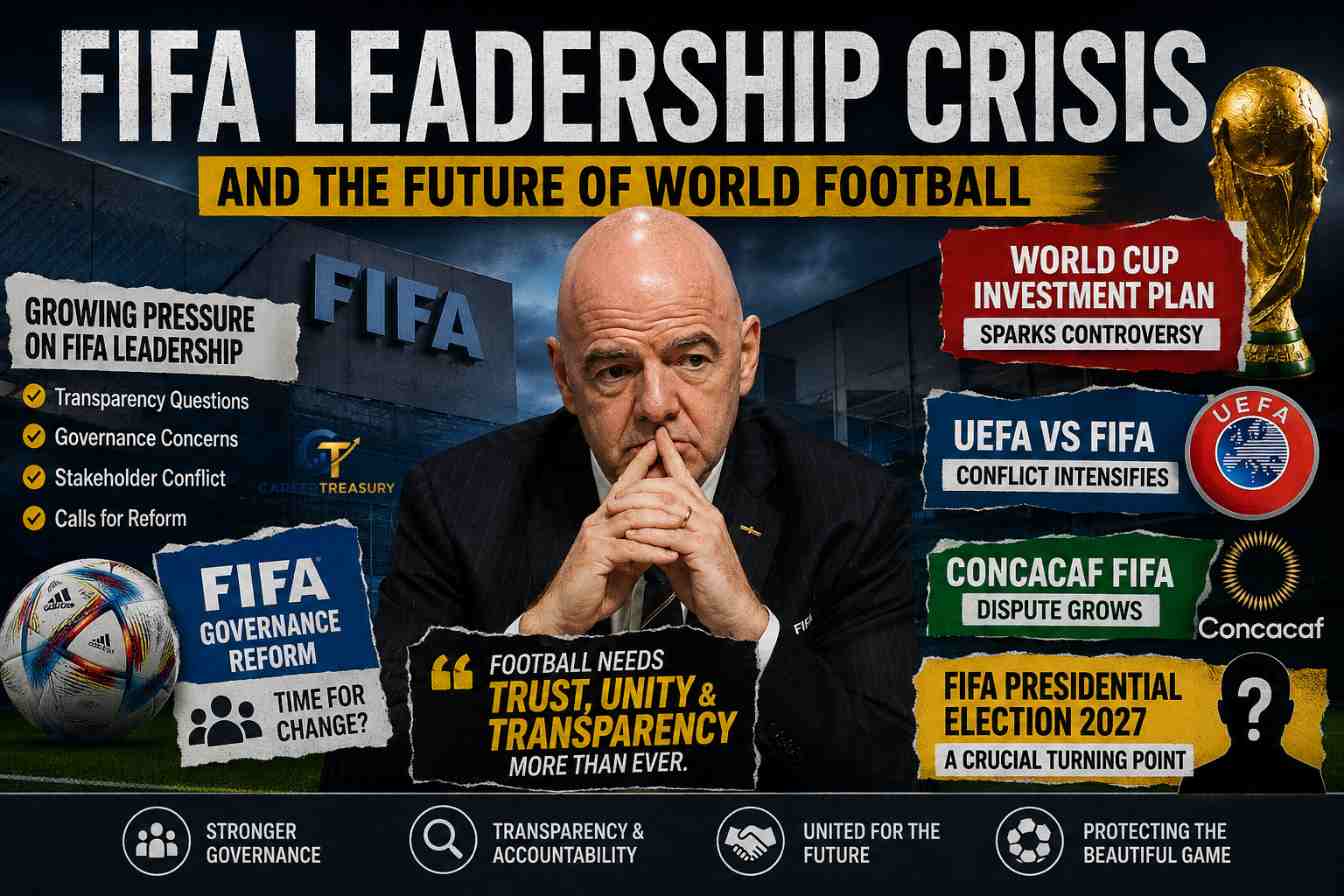
In recent years, discussions surrounding FIFA governance, transparency, decision-making, and leadership accountability have attracted significant attention from football stakeholders worldwide. These debates have raised important questions about the future direction of international football and the role of governing bodies in maintaining trust among fans, players, clubs, and national associations.
As football continues to evolve into a multi-billion-dollar global industry, effective governance has become increasingly important for ensuring fairness, sustainability, and long-term growth.
Understanding FIFA’s Role in Global Football
FIFA serves as the governing body of international football and oversees several critical aspects of the sport.
Key Responsibilities
- Organizing FIFA World Cup tournaments
- Supporting football development programs
- Managing international regulations
- Promoting women’s football
- Developing youth football initiatives
- Coordinating with continental confederations
FIFA’s decisions affect football ecosystems across every continent, making leadership and governance issues highly significant for the sport.
What Is a Leadership Crisis?
A leadership crisis occurs when stakeholders question the effectiveness, transparency, accountability, or strategic direction of an organization’s leadership.
In global sports organizations, leadership challenges may arise due to:
- Governance concerns
- Policy disagreements
- Financial management issues
- Transparency debates
- Regulatory disputes
- Stakeholder conflicts
Such discussions are not unique to football and have affected numerous international sporting organizations over the years.
Why Governance Matters in Football
Modern football generates billions of dollars through:
- Broadcasting rights
- Sponsorship agreements
- Ticket sales
- Merchandising
- Digital media partnerships
Because of the scale of the industry, governance standards are increasingly scrutinized by:
- Fans
- Governments
- Sponsors
- Clubs
- Players
- Media organizations
Strong governance frameworks help ensure fairness, accountability, and public confidence.
Major Challenges Facing Global Football
1. Increasing Commercialization
Football has become one of the world’s largest sports industries.
While commercialization has increased revenues, it has also created debates regarding:
- Competitive balance
- Financial sustainability
- Player welfare
- Fan interests
Many experts believe governing bodies must carefully balance business growth with the core values of the sport.
2. Expanding International Competitions
The global football calendar continues to expand.
Challenges include:
- Player workload
- Scheduling conflicts
- Club-versus-country priorities
- Injury concerns
Finding the right balance remains a key issue for football administrators.
3. Financial Fairness
Financial inequality between clubs and leagues continues to be a topic of discussion.
Key concerns include:
- Revenue distribution
- Competitive balance
- Smaller football nations
- Youth development funding
Governance reforms often focus on creating more sustainable football ecosystems.
4. Technology and Regulation
Football is rapidly adopting technology.
Examples include:
- VAR (Video Assistant Referee)
- Goal-line technology
- Data analytics
- AI-assisted performance analysis
Governing bodies must establish clear regulations to ensure technology benefits the sport while maintaining fairness.
How Leadership Decisions Affect Fans
Football supporters are directly impacted by decisions related to:
Tournament Formats
Changes to competition structures can influence fan engagement and viewing experiences.
Ticket Pricing
Governance decisions may affect affordability and accessibility.
Broadcasting Rights
Media agreements determine how fans access football content globally.
Competition Scheduling
International calendars affect domestic leagues, clubs, and supporters.
As football becomes increasingly globalized, fan perspectives are becoming more influential in governance discussions.
The Future of FIFA and Global Football
Regardless of leadership changes or governance debates, several long-term trends are likely to shape football’s future.
Growth of Women’s Football
Women’s football continues to experience rapid growth worldwide.
Areas of expansion include:
- Professional leagues
- Youth development
- Sponsorship investment
- Media coverage
This is expected to remain a major strategic priority.
Digital Transformation
Technology is transforming football operations.
Examples include:
- Fan engagement platforms
- Digital memberships
- AI-driven analytics
- Virtual experiences
Digital innovation is becoming an increasingly important part of football’s future.

Expansion into Emerging Markets
Football organizations continue investing in:
- Asia
- Africa
- North America
- Middle East
These regions represent significant growth opportunities for the sport.
Sustainability and Social Responsibility
Football organizations are increasingly expected to address:
- Environmental sustainability
- Diversity and inclusion
- Community development
- Social impact initiatives
Future leadership strategies will likely place greater emphasis on these areas.
Potential Reforms for Global Football
Many sports governance experts suggest improvements such as:
Greater Transparency
Publishing decision-making processes and governance reports.
Enhanced Accountability
Strengthening oversight mechanisms and independent reviews.
Improved Financial Reporting
Increasing public disclosure of financial activities.
Stakeholder Representation
Ensuring players, clubs, fans, and associations have meaningful input.
Stronger Ethics Frameworks
Promoting integrity and trust across football organizations.
These measures could help strengthen confidence in football governance.
Impact on Players and Clubs
Leadership and governance decisions influence:
- Transfer regulations
- Competition structures
- International calendars
- Youth development systems
- Financial regulations
Professional clubs and players often advocate for governance frameworks that support sustainable growth and player welfare.
What This Means for the Future of Football
Football continues to grow despite governance challenges.
The future success of the sport will likely depend on:
- Effective leadership
- Transparent governance
- Sustainable financial models
- Technological innovation
- Global participation
The ability of football organizations to adapt to changing expectations will play a major role in shaping the next generation of the sport.
Key Takeaways
Opportunities
- Global football growth
- Increased digital engagement
- Expansion of women’s football
- Technology-driven innovation
- New commercial opportunities
Challenges
- Governance concerns
- Financial inequality
- Scheduling pressures
- Regulatory complexity
- Stakeholder expectations
Balancing these factors will be essential for maintaining football’s popularity and credibility worldwide.
Frequently Asked Questions (FAQs)
What is FIFA?
FIFA is the international governing body responsible for organizing and regulating global football competitions.
Why is football governance important?
Governance affects financial management, tournament organization, regulations, and stakeholder trust.
How do leadership decisions affect football fans?
Leadership decisions can influence tournament formats, broadcasting rights, ticket pricing, and fan engagement initiatives.
What are the biggest challenges facing football today?
Financial sustainability, governance, player workload, technology integration, and competitive balance are among the major challenges.
What is the future of global football?
Future growth is expected to be driven by digital transformation, women’s football development, emerging markets, and technological innovation.
Conclusion
The discussion surrounding FIFA leadership and football governance highlights the growing importance of transparency, accountability, and strategic planning in modern sports administration. As football continues to expand globally, governing bodies must balance commercial growth with the interests of players, clubs, and supporters.
While governance debates may generate headlines, the long-term future of football will ultimately depend on responsible leadership, sustainable development, and the ability to adapt to a rapidly changing sporting landscape.
Disclaimer
This article is intended for educational and informational purposes. It provides general analysis of football governance and industry trends and should not be interpreted as legal, financial, or official FIFA commentary.




Leave a Reply