

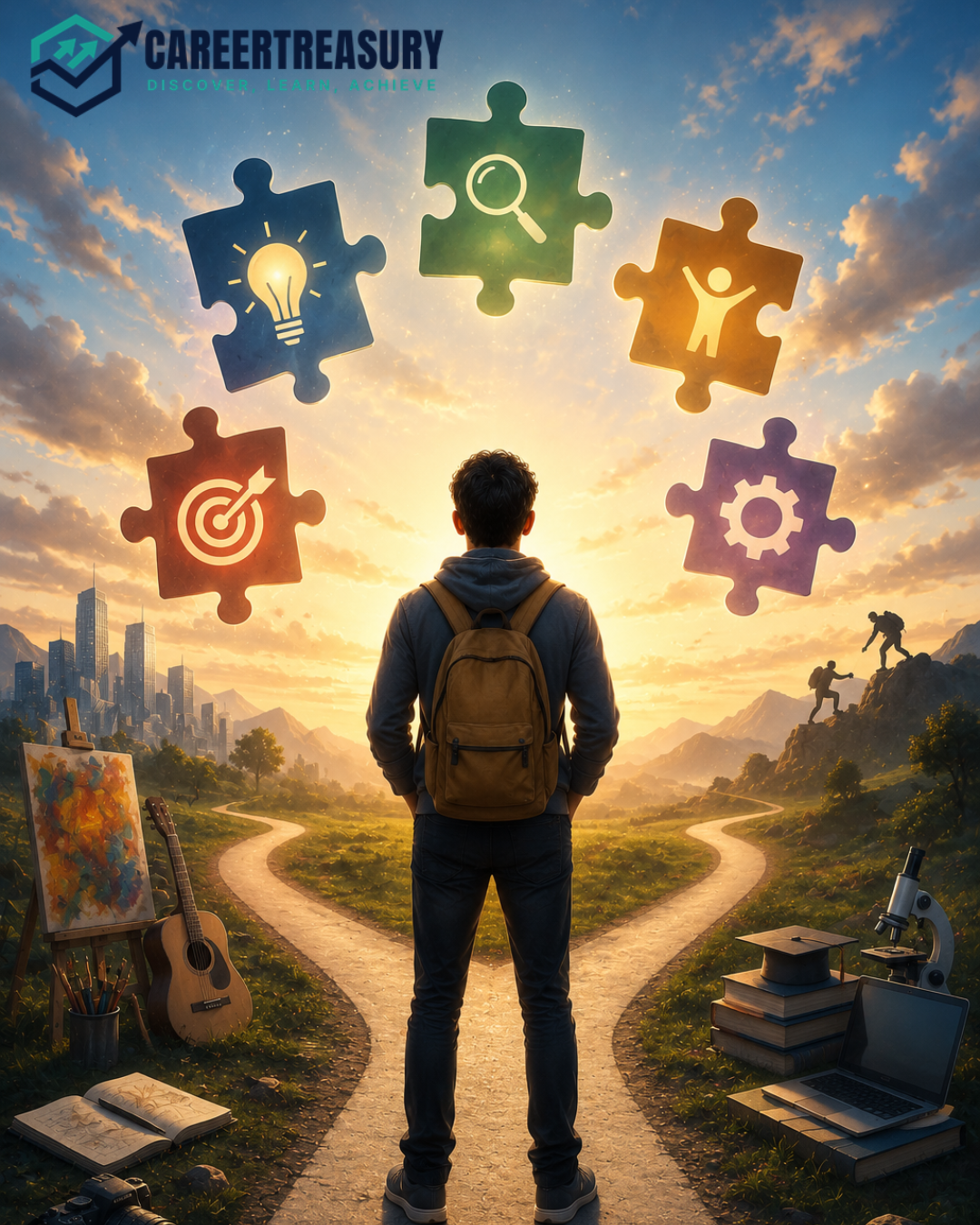
Every person has unique talents, abilities, and strengths that can help them succeed in life and build a meaningful career. However, many students and young professionals struggle to identify what they are truly good at. Some compare themselves to others, while others feel confused about their future because they have not yet discovered their true potential. The good news is that skills and strengths can be discovered through self-awareness, experience, and continuous learning.
Understanding your strengths is important because it helps you make better career choices, improve confidence, and achieve personal growth. When people work in areas that match their natural abilities, they often feel more motivated, productive, and satisfied. Discovering your skills is not something that happens overnight. It is a journey of exploration and self-discovery.
The first step in discovering your strengths is understanding yourself. Spend time reflecting on the activities you enjoy most. Think about moments when you felt excited, confident, or fully focused. People often perform best in areas they genuinely enjoy. For example, someone who loves organizing events may have leadership and management skills, while someone who enjoys solving puzzles may have strong analytical abilities.
Another effective way to discover your strengths is by paying attention to compliments and feedback from others. Friends, teachers, family members, and colleagues often notice abilities that you may overlook. If people frequently praise your communication skills, creativity, or problem-solving abilities, those qualities may represent your natural strengths. Constructive feedback can also help identify areas where you perform better than average.
Trying different activities and experiences is also essential. Many people remain unaware of their talents simply because they never explore new opportunities. Joining clubs, participating in competitions, volunteering, freelancing, or learning new hobbies can reveal hidden abilities. Experience teaches valuable lessons about what you enjoy and where your strengths naturally appear.
Your strengths often become visible when facing challenges. Difficult situations can reveal qualities such as leadership, resilience, creativity, patience, or adaptability. Some people discover their problem-solving skills during stressful situations, while others realize their communication strengths when working with teams. Challenges provide opportunities to understand how you respond under pressure and what abilities help you succeed.
Personality and career assessment tests can also help in identifying strengths. Many online tools analyze interests, personality types, and skill patterns to suggest suitable career paths and talents. While these tests are not always completely accurate, they can provide useful insights and encourage self-reflection. Combining test results with real-life experiences often gives a clearer understanding of personal strengths.
Learning from failures is another important part of self-discovery. Failure should not be viewed as weakness. Instead, it can help people understand their limitations and areas for improvement. Sometimes failure redirects individuals toward paths that better match their abilities. Every setback teaches valuable lessons about persistence, problem-solving, and personal growth.
Passion and strengths are closely connected, but they are not always the same. A person may enjoy something without being highly skilled at it, while another may naturally excel in an area they never considered seriously. The goal is to find a balance between what you love and what you do well. This combination often leads to long-term satisfaction and success.
Developing self-confidence is important during the process of discovering strengths. Many people underestimate themselves because of fear, comparison, or self-doubt. They focus too much on weaknesses instead of recognizing their abilities. Confidence grows when people acknowledge their achievements and continue practicing their skills. Small successes can build motivation and encourage further growth.
Building strong habits can also reveal hidden strengths. Discipline, consistency, and dedication often improve natural abilities over time. For example, someone interested in writing may become highly skilled through daily practice, reading, and continuous learning. Talent alone is rarely enough; growth happens through effort and persistence.
Communication skills are among the most valuable strengths in modern life. People who can express ideas clearly, listen actively, and build relationships often succeed in many careers. Similarly, creativity, teamwork, leadership, adaptability, and emotional intelligence are highly valuable strengths that employers and organizations appreciate.
Technology and digital platforms now offer many opportunities for skill discovery. Students can explore graphic design, coding, video editing, content creation, digital marketing, and many other fields online. Free courses, tutorials, and online communities make it easier than ever to experiment with different skills and interests. The internet has created countless ways for people to learn, practice, and showcase their abilities.
Mentorship can also play a major role in discovering strengths. Experienced mentors can guide individuals, provide honest advice, and identify talents that may not be obvious. Learning from successful people can inspire confidence and help individuals understand how to improve their skills effectively.
Comparing yourself to others can slow down the process of self-discovery. Every person has a different journey, background, and pace of growth. Some people discover their strengths early in life, while others find them later through experience. Instead of focusing on competition, focus on personal improvement and learning.
One important truth is that strengths can evolve over time. Skills improve through education, practice, and life experiences. Someone who struggles with public speaking today may become an excellent speaker after years of practice. Growth mindset and willingness to learn are essential for long-term development.
Setting goals can help people explore their strengths more effectively. Goals create direction and motivation. Trying new challenges, learning new skills, and stepping outside comfort zones often lead to valuable discoveries about personal abilities. The more experiences people gain, the better they understand themselves.
In conclusion, discovering your skills and strengths is a lifelong journey of self-awareness, exploration, and growth. By reflecting on your interests, seeking feedback, trying new experiences, learning from challenges, and continuously improving, you can better understand your unique abilities. Everyone has talents that can lead to success and fulfillment. The key is to remain curious, confident, and open to learning. When people recognize and develop their strengths, they become more prepared to build meaningful careers and live more purposeful lives.